

The single point cutting tool is one of the most essential mechanical engineering tools used in the manufacturing industry for shaping and finishing metal components. This metal cutting tool for lathe plays a vital role in the metal removal process, allowing precise material removal during lathe machine operations and other precision machining tasks.
Its simple yet effective design makes it ideal for small workshops, educational labs, and industrial applications. By understanding its single point cutting tool parts, geometry, and materials, machinists can achieve excellent surface finish quality, maintain tool life, and improve overall efficiency. This tool continues to remain relevant in 2026.
What Is a Single Point Cutting Tool?
A single point cutting tool definition refers to a cutting instrument with one main cutting edge. It is primarily used in turning tool in machining where the tool removes metal from a rotating workpiece. This tool can operate on a lathe machine operation or similar machines, providing precise cuts while maintaining surface finish quality. Its unique design allows it to handle various metals efficiently, from mild steel to high-strength alloys.
This tool is vital in precision machining because it directs all cutting forces to a single point, reducing vibration and ensuring uniform metal removal. The metal removal process performed by this tool helps create accurate diameters and smooth finishes. The simplicity of the single point cutting tools in lathe machine operation makes it beginner-friendly yet highly effective for professional engineers.
How a Single Point Cutting Tool Works
A single point cutting tool works by removing material from a rotating workpiece. The cutting edge and tool angle directly impact how the metal chips form during the machining process. As the tool moves along the workpiece, it shears off layers of metal to achieve the desired shape. Factors such as cutting speed and feed rate influence efficiency, surface finish, and tool wear and tool life.
During operation, proper alignment of the rake angle and clearance angle is essential to prevent overheating and excessive wear. In metal cutting tool for lathe applications, understanding the relationship between angles, speed, and feed ensures consistent performance. Modern machinists often measure tool wear and tool life to decide when a single point cutting tool requires re-sharpening, maintaining optimal precision
Main Parts of a Single Point Cutting Tool
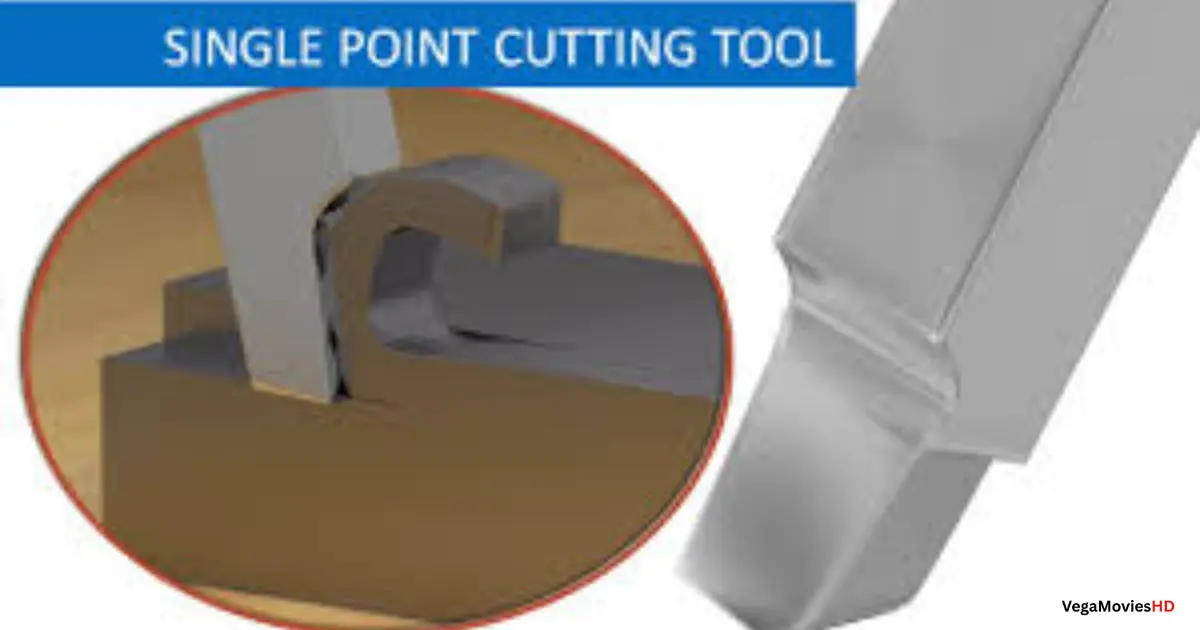
The single point cutting tool parts include the shank, face, flank, and nose radius. The shank provides stability in the tool holder, while the cutting edge and tool angle on the face remove metal efficiently. The flank allows smooth clearance between the tool and the workpiece, and the nose radius helps improve the surface finish quality. Each part plays a critical role in precision machining and metal removal process efficiency.
Material selection is also important. A tool made from high-speed steel or carbide will last longer during heavy-duty lathe machine operation. Proper understanding of single point cutting tool parts ensures machinists can maintain tool wear and tool life while performing complex operations like threading and facing.
Types of Single Point Cutting Tools
There are multiple types of single point cutting tools used in mechanical engineering tools. Right-hand and left-hand tools determine cutting direction. Straight tools are the most common, while bent tools are used for special angles or grooves. Each type adapts to specific turning tool in machining needs and materials, ensuring surface finish quality and operational efficiency.
In industries, single point cutting tool uses vary from finishing cylindrical shafts to creating precise grooves. Machinists often select tools based on cutting speed and feed rate, rake angle and clearance angle, and the hardness of the material. These types of single point cutting tools ensure that precision machining remains accurate across multiple applications.
Materials Used in Single Point Cutting Tools
The single point cutting tool material determines its performance and durability. High-speed steel (HSS) is ideal for standard tasks, while carbide is suitable for high-speed operations and tougher metals. Ceramic and diamond-tipped tools are used in industries that require extreme hardness and minimal wear. Material choice directly affects tool wear and tool life and overall surface finish quality.
Understanding the single point cutting tool material is essential for industrial cutting tools applications. For instance, using carbide in high-speed lathe machine operation reduces downtime and improves accuracy. Selection should consider cutting speed and feed rate, metal removal process, and the type of workpiece to achieve optimal results.
Geometry of a Single Point Cutting Tool
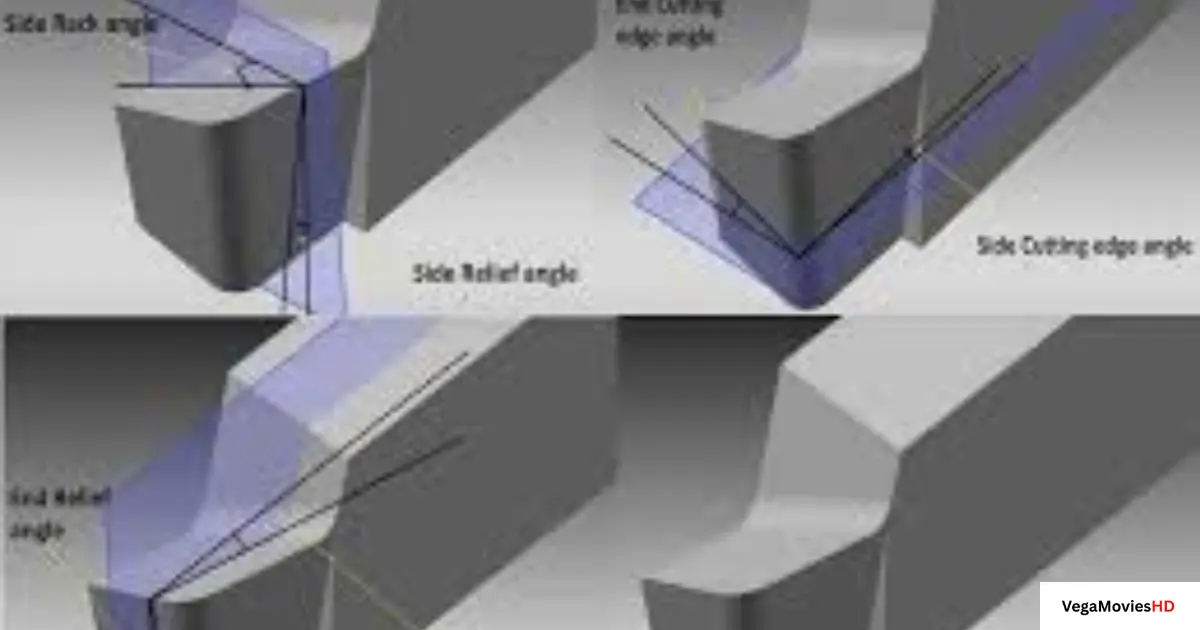
The single point cutting tool geometry includes the rake angle and clearance angle, cutting edge and tool angle, and nose radius. Proper geometry ensures smooth cutting, reduces friction, and improves surface finish quality. Incorrect angles may cause tool chatter or rapid tool wear and tool life reduction. Understanding single point cutting tool geometry is crucial for achieving precision in turning tool in machining.
Engineers carefully design geometry based on material type, desired finish, and cutting speed. A well-designed geometry also minimizes energy consumption during the metal removal process. In mechanical engineering tools, mastering single point cutting tool geometry ensures reliable and accurate machining for both workshop and industrial applications.
Advantages of Single Point Cutting Tools
The single point cutting tool advantages include cost-effectiveness, easy sharpening, and high precision. They allow machinists to achieve surface finish quality even on small projects. These tools are versatile and compatible with various lathe machine operations. For small workshops or educational labs, they remain the preferred choice for industrial cutting tools.
In precision machining, the single point cutting tool advantages are evident in accuracy and repeatability. They are easy to maintain, and their simple design reduces complexity in training new machinists. Their continued use in 2026 proves that simplicity combined with effectiveness is highly valued in the manufacturing industry.
Limitations of Single Point Cutting Tools
Despite their usefulness, single point cutting tools have limitations. They are slower than multi-point tools and cannot handle large-scale production efficiently. Excessive tool wear and tool life reduction can occur if cutting speeds or feed rates are not carefully monitored. These tools also require skillful handling during lathe machine operation to avoid inaccuracies in metal removal process.
Additionally, complex shapes or heavy-duty operations may demand multi-point tools. However, understanding these limitations ensures that machinists use the right tool for the right task, balancing efficiency, precision machining, and durability of mechanical engineering tools.
Applications of Single Point Cutting Tool
Single point cutting tool uses are extensive in the manufacturing industry. They are ideal for lathe machine operations, including turning, facing, and grooving. Industries ranging from automotive to aerospace rely on these tools for precision machining. They are also crucial in creating cylindrical shafts, threaded components, and smooth metal surfaces.
Engineers value the metal cutting tool for lathe for its precision and simplicity. The single point cutting tool in lathe machine allows operators to achieve consistent results while controlling cutting speed and feed rate. Its adaptability to various materials and operations highlights its importance in modern industrial cutting tools applications.
Single Point vs Multi-Point Cutting Tools
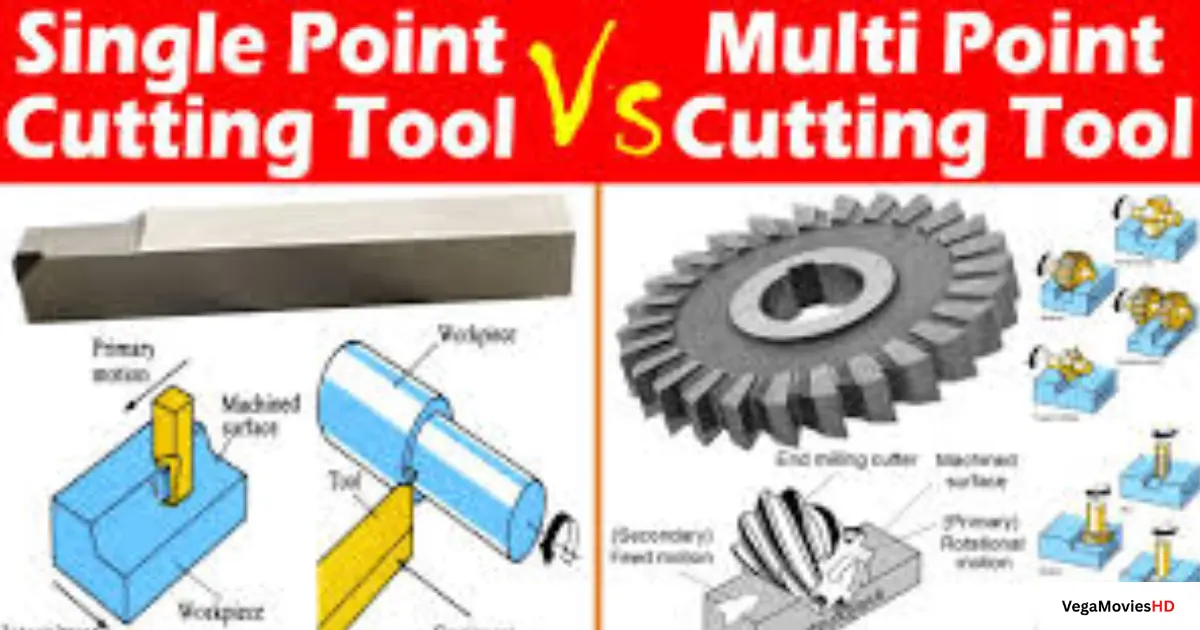
Single point cutting tools focus all force on one edge, while multi-point tools distribute the load across multiple edges. This makes single-point tools ideal for small, precise operations, while multi-point tools are suited for high-speed production. Understanding this distinction ensures proper tool selection in precision machining and lathe machine operations.
Cost and maintenance differences are significant. Multi-point tools require specialized sharpening equipment, whereas single-point tools can be resharpened manually. Choosing between these tools depends on cutting speed and feed rate, required accuracy, and surface finish quality in the manufacturing industry.
Factors Affecting Tool Life and Performance
The tool wear and tool life of a single point cutting tool depend on speed, feed, depth of cut, and material hardness. Proper lubrication and cooling can extend tool life. Cutting speed and feed rate must match workpiece material to prevent damage during metal removal process.
Regular monitoring of rake angle and clearance angle ensures smooth lathe machine operation and minimizes errors. In mechanical engineering tools, understanding these factors is key to achieving precision machining while maintaining durability and efficiency.
Importance of Single Point Cutting Tools in 2026
Even in 2026, single point cutting tool in lathe machine operations remains vital. It continues to serve small workshops, educational labs, and industries that prioritize precision over speed. Its simple design, cost-effectiveness, and versatility make it an enduring choice in the manufacturing industry.
Future advancements in tool materials and design will enhance tool wear and tool life. However, the fundamental metal cutting tool for lathe principles remain unchanged. Professionals in precision machining still rely on these tools for reliable performance, confirming their lasting importance in industrial cutting tools applications worldwide.
Table: Common Materials & Applications of Single Point Cutting Tools
| Material | Ideal Use | Advantages |
|---|---|---|
| High-Speed Steel (HSS) | Standard machining | Cost-effective, easy to sharpen |
| Carbide | High-speed or hard metals | Long life, minimal wear |
| Ceramic | Very hard metals | Heat resistant, precise cutting |
| Diamond-Tipped | Non-ferrous metals | Extreme hardness, smooth finish |
Conclusion
The single point cutting tool remains a cornerstone in the manufacturing industry and mechanical engineering tools even in 2026. Its simple design, precision, and versatility make it ideal for lathe machine operations and precision machining. Understanding single point cutting tool parts, geometry, and material helps machinists achieve accurate metal removal process and maintain tool wear and tool life. Whether in small workshops or large industries, this tool continues to provide reliable performance, smooth surface finish quality, and cost-effective solutions, confirming its ongoing importance in modern industrial cutting tools.
Frequently Asked Questions
What is a single point cutting tool used for?
It is mainly used in lathe machine operations for turning, facing, and grooving, performing metal removal process with high precision.
What are the main parts of a single point cutting tool?
The key single point cutting tool parts are the shank, face, flank, and nose radius, each affecting surface finish quality and cutting efficiency.
Which materials are used for single point cutting tools?
Common single point cutting material includes high-speed steel (HSS), carbide, ceramic, and diamond-tipped tools for durability and precise precision machining.
How does geometry affect single point cutting tool performance?
Correct single point cutting tool geometry, including rake angle and clearance angle, ensures smooth cutting, reduces tool wear and tool life issues, and improves surface finish quality.
What is the difference between single point and multi-point cutting tools?
Single-point tools focus on one edge for precision machining, ideal for small and accurate operations, while multi-point tools distribute force across edges for faster production.

M. Zada is the creator of VegaMovieshd.org, helping audiences in India, USA, and worldwide access Bollywood, Hollywood & Tamil movies online. He specializes in HD movies download, fast movie streaming, and top trending movies, providing safe and full-length movies free for movie lovers everywhere. Let’s grow and succeed together